5 Paws-itive Tips for Training Dog Training!
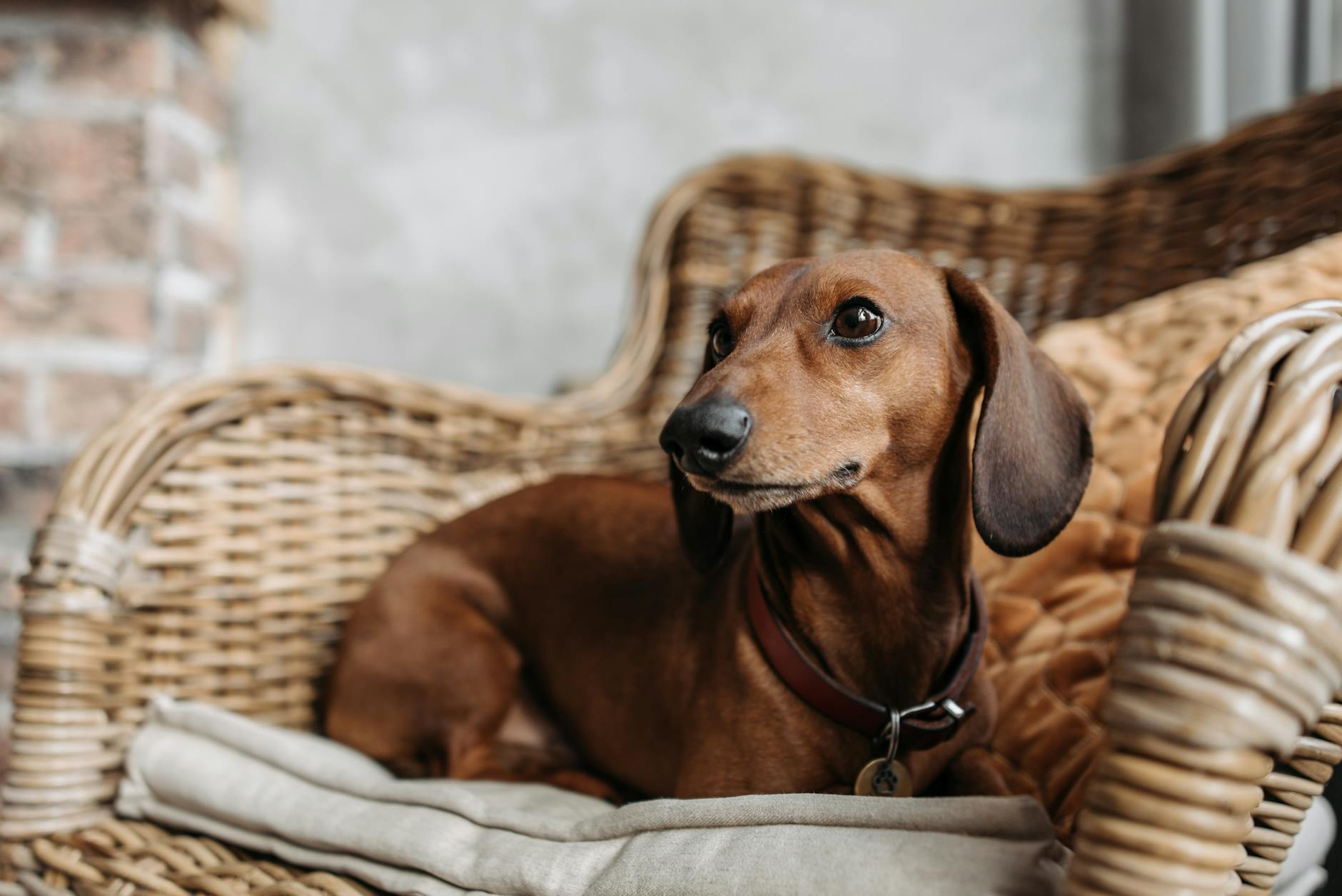
Training your dog can be both a challenging and deeply rewarding experience. The path to successful obedience and a happy, well-behaved pup involves consistency, patience, and positive reinforcement. In this article, we will highlight the top five paws-itive tips to make your dog training journey more effective and enjoyable. Embrace these strategies to foster a strong bond with your furry friend and create a peaceful, obedient companion.
1. Establish Clear Communication
Understand Dog Body Language
Before you start teaching commands, it's crucial to understand how your dog communicates. Dogs use body language to express their feelings and intentions. By paying attention to their posture, tail wagging, ear position, and eye contact, you can often decipher their emotional state and intentions, which can be pivotal during training sessions.
Use Consistent Commands
To avoid confusing your dog, use consistent commands for each action you want them to learn. Pick simple words or signals and use them exclusively for a particular behavior. Everyone in your household should use the same commands to ensure your dog doesn't receive mixed messages.
2. Positive Reinforcement Works Wonders
Reward Good Behavior
Dogs respond well to positive reinforcement. Whenever your dog does something right, immediately reward them with treats, praise, or playtime. This positive association encourages them to repeat the behavior.
Ignore or Redirect Bad Behavior
If your dog exhibits unwanted behavior, do not react with anger or frustration. Instead, ignore the behavior or redirect their attention to something else. Eventually, they will learn that good behavior garners attention and rewards, while bad behavior does not.
3. Consistency is Key
Train Regularly
A consistent training schedule helps your dog learn more effectively. Even short, daily sessions are better than irregular, lengthy ones. Your dog will benefit from the routine, and the commands will become more deeply ingrained.
Stick to the Rules
Whatever rules you set for your dog, apply them consistently. If jumping on the couch is not allowed, it must always be discouraged. Allowing it occasionally will only confuse your dog and make training more difficult.
4. Patience Pays Off
Manage Your Expectations
Every dog learns at their own pace. Some may pick up commands quickly while others need more time. Be patient, and never punish your dog for not learning as fast as you'd like. Keep training sessions upbeat and end on a positive note.
Stay Calm During Setbacks
Setbacks in training are normal. If progress stalls or your dog regresses, stay calm. Reassess your training approach, and consider if you need to adjust your technique or revisit foundational commands.
5. Keep It Fun
Make Training Sessions Enjoyable
Dogs, much like humans, learn best when they're having fun. Keep training sessions light and enjoyable. Use games and activities that engage your dog's instincts.
Vary the Training
Maintain your dog’s interest by varying the training sessions. Introduce new tricks and challenges once they've mastered the basics. The new mental stimulation will be both enjoyable and rewarding for your dog.
Training your dog can be a delightful experience that strengthens your bond and leads to a harmonious living situation. Remember to celebrate the small victories along the way, and enjoy the journey as much as the destination. These five paws-itive tips will not only aid in training your canine companion but also ensure that the process is fulfilling for both of you. Happy training!